
Key takeaways
- The Invoice-to-Cash (I2C) process encompasses all stages from invoice issuance to the actual receipt of funds, including payment reconciliation, dispute resolution, and collections
- A well-managed I2C cycle helps reduce payment delays, improve cash flow, and free up resources for investment and to support the company’s growth.
- The stages of the I2C cycle can account for up to 40% of working capital requirements (WCR), making it an essential strategic lever for the company’s financial health
- Digitizing the I2C process, combined with a strict credit policy and proactive follow-ups, helps speed up each step and significantly reduce the number of unpaid invoices
- Regular monitoring of key indicators such as DSO (days sales outstanding) or the delinquency rate is essential for quickly identifying problems and adjusting the collection strategy.
The Invoice-to-Cash process refers to the sales, finance, and accounting procedures that are triggered when an invoice is issued and continue until the company actually receives payment, including debt collection, if necessary
Implementing such a process not only speeds up payments and improves cash flow, but also helps teams save time and increase efficiency. As a result, the Invoice-to-Cash process plays a strategic role in the company’s financial performance, particularly with regard to cash management. To fully leverage the benefits of the Invoice-to-Cash process, several best practices should be adopted, such as digitization, implementing a credit policy, proactive follow-ups, and closely monitoring key performance indicators, for example.
What is Invoice-to-Cash?
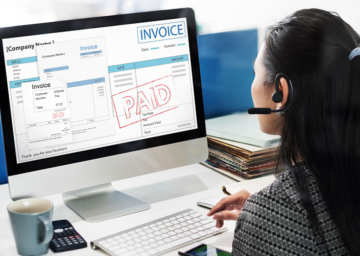
The Invoice-to-Cash (I2C) process encompasses all the steps from sending the invoice to the customer through to receiving full payment. It is also referred to as the billing and collection cycle. In practice, it encompasses all accounts receivable operations that convert a sale into cash flow. Indeed, until full payment is received by the company, the sale is merely a commercial transaction, not a financial indicator. However, to ensure the company’s long-term viability and financial health, effective cash management is essential.
In short, the Invoice-to-Cash process enables you to closely track invoice issuance and manage collections, thereby reducing late payments.
What are the steps in the Invoice-to-Cash process?
The Invoice-to-Cash process consists of several steps that follow the journey of an invoice, namely:
- customer credit management;
- issuing and sending the invoice;
- payment;
- payment details;
- litigation management;
- collection.
The Essential Steps in the Invoice-to-Cash Process
A prerequisite for the Invoice-to-Cash process is customer credit management. Indeed, it is necessary to assess the customer’s creditworthiness in advance in order to adjust credit limits and payment terms, such as the payment terms granted. Thus, the credit policy establishes specific terms for each customer profile based on their tenure, history, order amounts, and so on. This is what helps secure sales as effectively as possible as soon as orders are signed.

Next, the Invoice-to-Cash process truly takes shape with the issuance and sending of the invoice. Issuing invoices promptly upon order placement or upon delivery depending on the agreed-upon contractual terms helps avoid unnecessarily prolonging payment collection times. Similarly, ensuring that legal notices are included and complying with electronic invoicing requirements allows invoices to be sent to customers reliably and helps avoid disputes.
The next step is payment. To make the payment process easier and thus encourage faster payments, you can offer various payment methods. For example, you can set up automatic payments, an online portal for credit card payments, or accept bank transfers instead of checks
The final step in the Invoice-to-Cash process is payment reconciliation. This step involves matching payments received in the company’s bank account with the invoices issued, in order to settle them in real time. It also allows you to verify that the payment received matches the amount of the invoice issued, enabling a quick response in the event of an error or an incomplete payment
Optional steps in the Invoice-to-Cash process
In some cases, the Invoice-to-Cash process involves additional steps. Dispute resolution extends the duration of this process. Dissatisfied customers tend not to pay their invoices on time, or to pay only a portion of them. That is why it is essential to address disputes or discrepancies immediately in order to resolve them as quickly as possible and thus avoid delaying payment.
Similarly, in the event of non-payment, the collection phase is added to the Invoice-to-Cash process. It is inserted between the invoice issuance stage and the receipt of payment. Having an effective debt collection process allows you to respond quickly by sending reminders promptly when the invoice is due. It also enables you to initiate appropriate collection procedures, if necessary
Why Invoice-to-Cash Is a Strategic Process for Businesses
The Invoice-to-Cash process is of strategic importance because it has a direct impact on cash flow. Given that the stages of the I2C cycle can tie up as much as 40% of working capital requirements (WCR), the need to accelerate incoming cash flows is quite clear.

From a financial perspective, the Invoice-to-Cash process offers benefits beyond just cash flow. It strengthens the entire financial management system. By accelerating collections and reducing payment terms, it improves the company’s cash flow and liquidity. This is particularly valuable in an unstable economic climate, where it is essential to manage the billing-to-collection cycle effectively to ensure the company’s resilience. Visibility and control over incoming cash flows are critical factors for the organization’s long-term sustainability.
In fact, finance departments are often particularly aware of the need to modernize and improve the reliability of the I2C process. For example, for CFOs and credit managers alike, monitoring accounts receivable has become a key indicator of financial health. In particular, they closely monitor the average days sales outstanding (DSO).
Another strategic aspect of the Invoice-to-Cash process is that it enables the company to enhance both its competitiveness and its growth. In fact, the company ties up less capital and has more resources available for investment and expansion. This is made possible by effective management of payment terms
What are the benefits of optimized invoice-to-cash cycle management?
In practical terms, the Invoice-to-Cash process offers several benefits:
- shorter payment terms (lower DSO), which increases available cash flow
- improved financial visibility through real-time tracking of issued invoices, outstanding balances, payments received, and unpaid amounts;
- increased operational efficiency through the automation of accounts receivable processes, which reduces repetitive manual tasks such as data entry and follow-ups. Not only do teams save time, but the risk of errors is significantly reduced;
- reducing the risk of non-payment through a high level of responsiveness. Rapid dispute resolution, automated sending of reminders, and proactive debt collection are all factors that help reduce the number of delinquent accounts, and even those that are uncollectible
- improved customer relations through clear invoices, firm yet courteous reminders, effective dispute resolution, etc.
How can you optimize your invoice-to-cash process?
To optimize your Invoice-to-Cash process, there are several strategies you can implement.
Digitizing the I2C process is a real asset for optimizing cash flow management, among other benefits. Adopting a software solution that automates the process including the systematic sending of electronic invoices, scheduled customer reminders, and bank reconciliation helps speed up each step and ensures more reliable tracking. The Invoice-to-Cash process is shortened, and cash flows in more quickly.
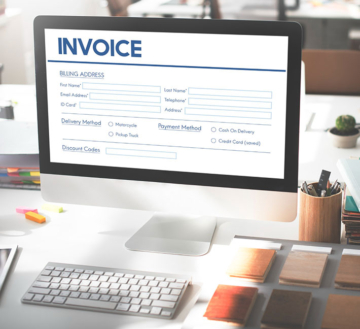 However, for the Invoice to Cash software to be configured correctly and deliver the best results, the company must adopt a strict credit policy. This involves, in particular, assessing each customer’s creditworthiness, setting credit limits, and establishing appropriate payment terms. By formalizing these rules, you make the sales team’s job easier and ensure secure transactions
In addition to its credit policy, the company must also foster a cash-focused culture internally. Raising awareness across all teams from the finance department to the accounting department and the sales department is key to reducing payment delays and maintaining a comfortable level of liquidity.
It is also important to be proactive when following up with customers. Instead of waiting until the due date to take action, you can send a reminder a few days in advance in the form of a payment notice to prevent late payments. Establishing specific procedures for handling unpaid invoices is also an effective way to recover funds quickly while preserving the business relationship. This goes hand in hand with prompt dispute resolution. Addressing a complaint as soon as it is reported helps prevent payment delays and maintains a good relationship with the customer
Finally, credit management must include close and regular monitoring of performance metrics such as DSO, the delinquency rate, the average age of receivables, and so on. The sooner deviations are detected, the easier it is to adjust strategy and practices
Optimize your invoice-to-cash cycle with our dedicated software, CashOnTime. Contact us to schedule a 30-minute consultation with our experts.
Conclusion
Invoice-to-Cash is a process that spans the stages from invoicing to collections, including cash receipt management. As such, it plays a critical role in a company’s financial management, particularly with regard to its cash flow. In practice, a well-optimized I2C cycle results in faster collections, improved cash flow, and a significant reduction in late payments and bad debt. Indeed, mastering this process enables finance departments to secure cash flow and increase efficiency. They can then devote more time to strategic initiatives for the company’s growth. To achieve this, it is necessary to adopt best practices in this area and use Invoice-to-Cash software tailored to the company’s needs.
