

Key takeaways
- Receiving electronic invoices becomes mandatory for all companies from 1 September 2026, and issuing them will be mandatory for SMEs and micro-enterprises from 1 September 2027.
- The reform goes beyond mere legal compliance: it represents an opportunity to transform the Invoice-to-Cash cycle by automating repetitive tasks and smoothing the flow from quote to payment.
- Structured, reliable invoicing data reduces the risk of errors and disputes, which speeds up collections and directly improves DSO.
- When paired with a compatible Invoice-to-Cash solution, e-invoicing enables centralized management of accounts receivable, prioritization of dunning actions, and better cash flow forecasting.
- To turn this obligation into a performance lever, it is essential to prepare now: audit existing processes, choose a compatible tool, and configure invoicing and collection workflows.
The e-invoicing reform makes the receipt of electronic invoices mandatory for all companies, regardless of size, from 1 September 2026. The schedule for mandatory issuance is staggered. First, issuance becomes mandatory from 1 September 2026 for large companies and mid-sized enterprises (ETI). Then, the obligation is extended to SMEs and sole proprietorships, including micro-enterprises, from 1 September 2027.
With the e-invoicing reform, the entire invoicing cycle is digitalized — not only eliminating paper invoices but also PDF invoices. Invoices are standardized, data is structured, and processing is automated within the information system. This is made possible in part by adopting European standards such as Factur-X, UBL or CII.
The benefits of e-invoicing go beyond reduced fraud risk. It also accelerates the invoicing process, shortens payment times (improving DSO), and provides better visibility over cash flow.
Why does the e-invoicing reform directly concern finance departments?
 The e-invoicing reform is far from being only a new legal obligation or a minor operational change for accounting teams. It is a genuine opportunity to transform the company’s financial management. Finance functions — including CFOs, credit managers and accountants — can modernize the order to cash process through digitalization. This also involves the digitization of debt collection.
Widespread e-invoicing in B2B exchanges makes the process smoother and automates the most repetitive tasks so teams can focus on higher-value activities, including analysis and strategic decision-making.
Faced with invoicing digitalization, the mindset of all teams (sales, finance, accounting, customer service) must evolve.
What are the impacts of e-invoicing on the Invoice-to-Cash cycle?
The e-invoicing reform brings several benefits for companies. First, its widespread adoption allows faster issuance and receipt of invoices. You can quickly generate an invoice from the client’s signed quote, send it, and the client will receive it almost instantly.
Moreover, electronic invoice data is structured and more reliable. This greatly reduces the risk of errors and therefore disputes with clients that can lead to payment blockage.
Overall, the e-invoicing reform helps streamline the Invoice-to-Cash cycle by easing transitions between quotes, invoices, payment tracking and collections. It also complements and enriches the information and features of your collections software to reduce bad debt risk and limit late payments.
The major consequence of the e-invoicing reform is improved coordination between invoicing, accounting and accounts receivable management, and treasury. This is largely due to greater visibility into invoice and payment statuses.
How does e-invoicing integrate with an Invoice-to-Cash solution?
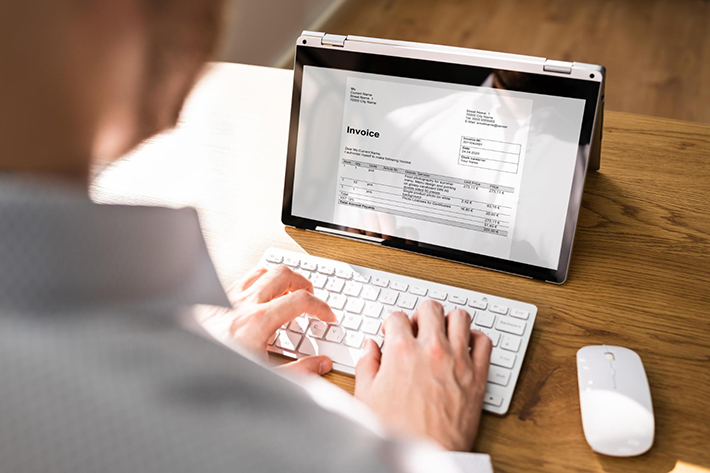 If you already have an Invoice-to-Cash software or are planning to implement one, know that this type of solution perfectly complements and integrates with certified e-invoicing platforms (PA). The PA ensures regulatory transmission and receipt of invoices, while the Invoice-to-Cash solution exploits electronic invoice data to automate monitoring and debt collection. The adoption of a collections platform then becomes an additional lever to structure dunning actions, strengthen accounts receivable management and secure cash inflows.
DISCOVER OUR COLLECTIONS PLATFORM
In practice, accounts receivable management tools incorporate electronic invoices into their processing. This enables companies to build a coherent ecosystem that combines compliance with financial performance.
E-invoicing: what operational benefits for managing accounts receivable?
Among the impacts of the e-invoicing reform on the I2C cycle are concrete benefits for accounts receivable management. Automating the tracking of electronic invoices provides a very clear view of issued invoices, helps identify those approaching the end of their payment term, unpaid invoices, and settled invoices. Likewise, the centralization of customer information and follow-up actions prevents errors and information loss.
This greatly simplifies the work of finance and credit teams, allowing them to act quickly and prioritize their actions. The direct result is accelerated collections and, consequently, an improved DSO.
The e-invoicing reform also enables better forecasting of cash flows thanks to visibility on upcoming flows and more responsive teams.
How to effectively prepare your Invoice-to-Cash cycle for the e-invoicing reform?
The rollout of the e-invoicing reform is mandatory for all companies for sending and receiving invoices by 1 September 2027, or 2026 depending on your organization’s size. It is therefore essential to anticipate the organizational impacts this change will bring and prepare accordingly.
To achieve this, adopt several good practices. Start by adapting existing processes to the new regulatory requirements. Review current practices, identify those that need to change, and so on.
 Next, ensure you choose an Invoice-to-Cash solution that is compatible with e-invoicing platforms, such as CashOnTime.
Once your Invoice-to-Cash software is validated, proceed to the structuring of invoicing, tracking and collection workflows. These scenarios and the actions they trigger automatically will determine the performance of the I2C process. Take the time to configure them, consider all possibilities, and plan the customizations needed according to the customer profile.
These are the keys to turning the e-invoicing reform into a lasting lever for financial performance.
DISCOVER OUR INVOICE TO CASH SOLUTION
Conclusion
The e-invoicing reform can be a genuine driver of transformation of the invoice to cash cycle within your company. Electronic invoice data are valuable information that can be used to support financial management. The benefits of the reform are amplified when e-invoicing is combined with an Invoice-to-Cash solution. This allows you to capitalise on new practices. To ensure a successful transition to e-invoicing, and therefore optimise cash flow and collections, anticipation is key.
